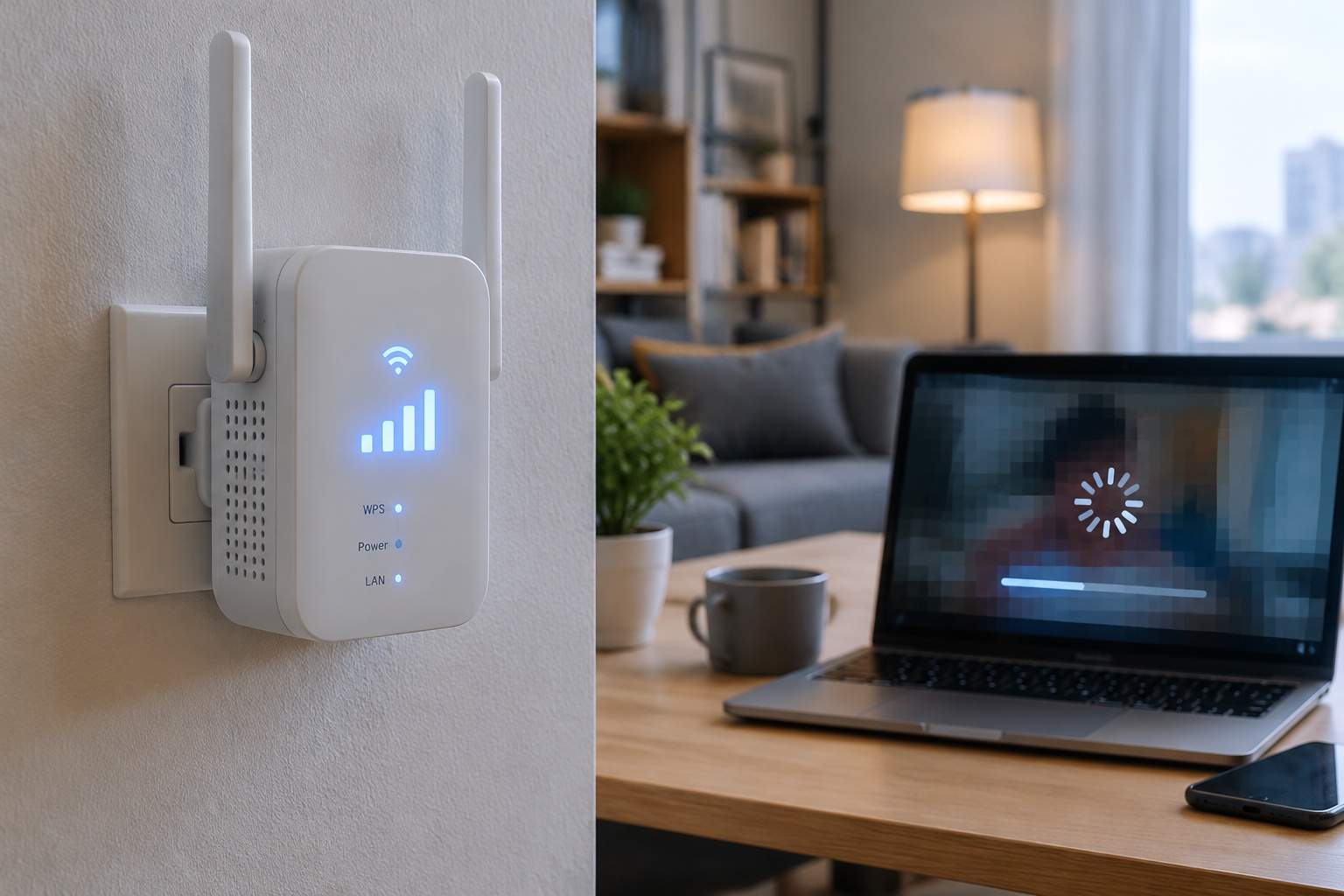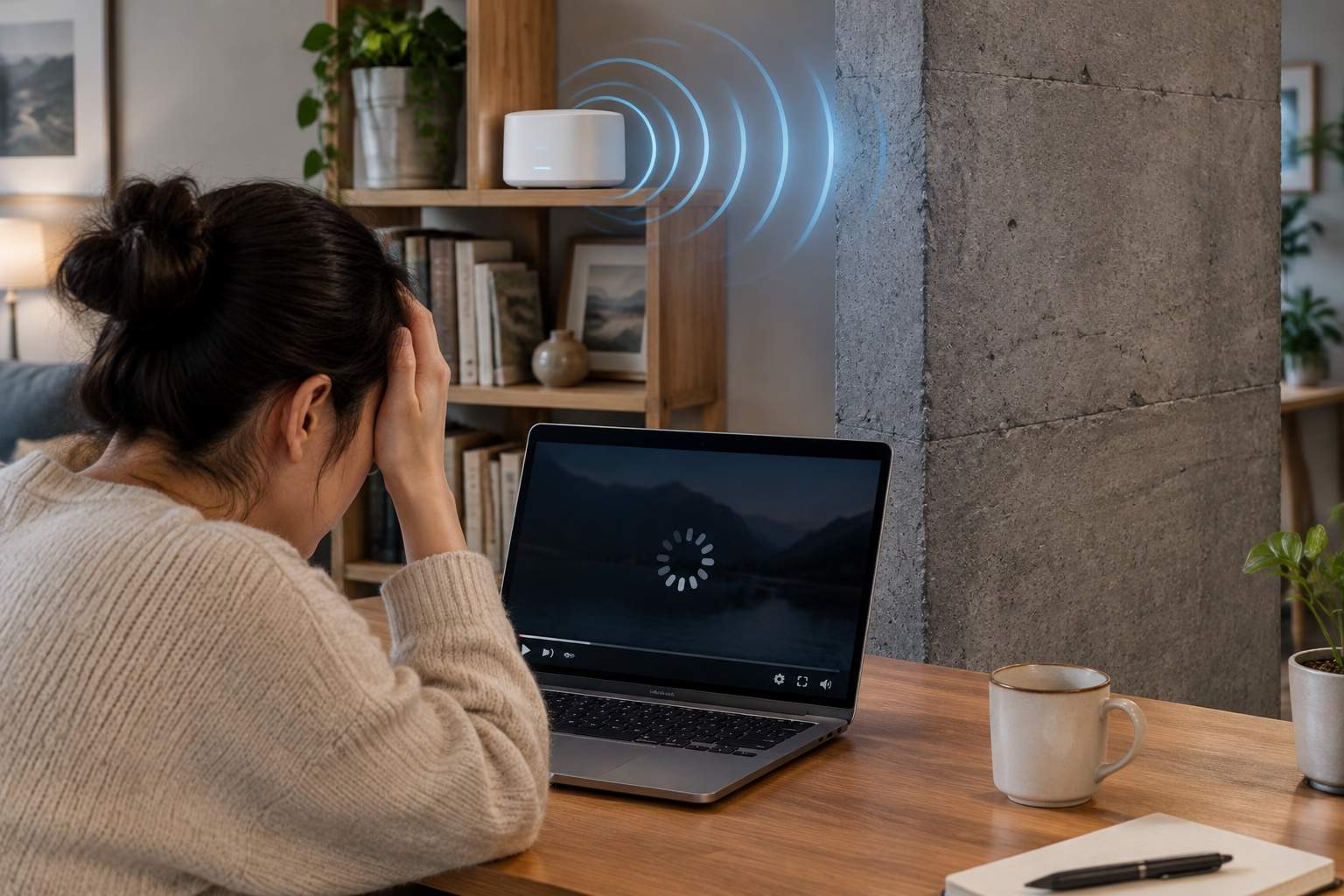

You just shelled out a hefty sum for a shiny new Wi-Fi 6 router, maybe even bumped your internet plan to gigabit speeds. Yet, that 4K movie still buffers in the bedroom, and your work video calls turn into a pixelated nightmare on the patio. It's enough to make you wonder if you just bought an expensive paperweight, right? You're not alone. Many folks, armed with the latest tech, find their home Wi-Fi still feels like it's stuck in the dial-up era in certain spots.
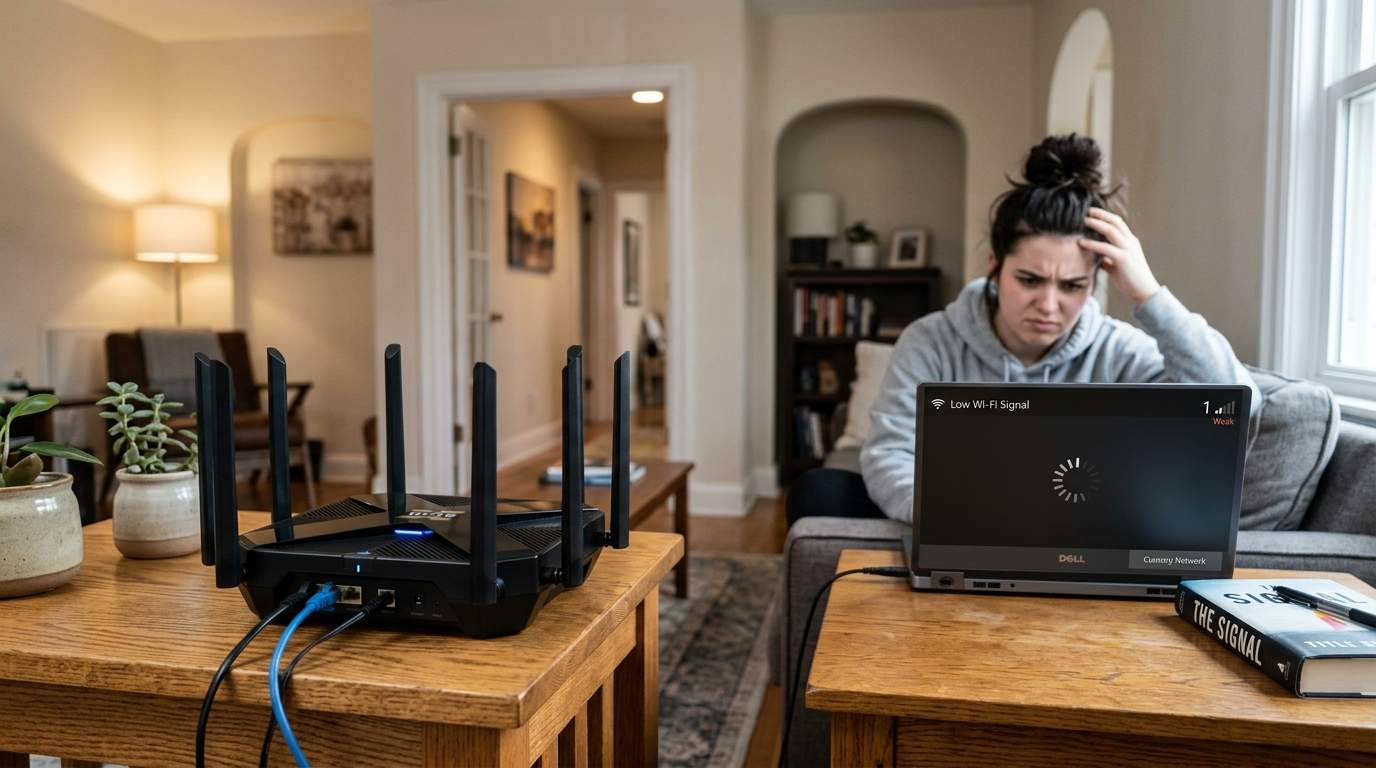
The common wisdom says "bigger number, better Wi-Fi." So, an expensive Wi-Fi 6 router, with its promises of blazing speeds and advanced features, seems like the magic bullet. But here's the kicker from someone who's seen more circuit boards than hot dinners: for most homes, especially those over, say, 1,500 square feet or with multiple floors, a single, powerful router often can't solve the core problem of Wi-Fi dead zones. It’s like buying a Formula 1 car to navigate rush hour traffic – incredibly powerful, but ultimately limited by its environment.
Think about your home. Walls, floors, even large appliances like refrigerators or microwaves, are signal assassins. A typical drywall can chop a Wi-Fi signal by 3-6 dBm. Brick? That's 6-10 dBm. Concrete and steel? You might as well be trying to talk through a lead wall. A single router, no matter how many antennas it boasts, is essentially shouting from one spot. The farther you get, and the more obstacles stand in the way, the weaker that shout becomes. When your device sees a signal below -70 dBm, even basic browsing can feel sluggish, and 4K streaming or video calls become impossible.
Then there's the invisible jungle of interference. Your neighbor's Wi-Fi, cordless phones, Bluetooth devices, even baby monitors can all be battling for airwaves. A high-end router might be better at navigating this, but it can't create an interference-free bubble around your entire house. Your expensive router might push out a strong signal in the living room, but upstairs or at the far end of the house, it's often drowned out by the noise or simply too weak to be useful.
This is where the real heroes for consistent home Wi-Fi step in: Mesh Wi-Fi systems. Instead of one powerful central point, mesh systems use multiple nodes placed strategically around your home. They work together, forming a unified network that blankets your space with strong, reliable Wi-Fi. Imagine a team of people softly speaking to you from different spots in a large building, rather than one person shouting from across the street. The message gets through much clearer.
Even better? Pairing a mesh system with what we call "Ethernet backhaul." This means connecting your mesh nodes to each other, or to the main router, with physical Ethernet cables. While Wi-Fi is great, cables are king for speed and reliability. If you can run a cable from your main router to a mesh node upstairs, that node doesn't have to relay information wirelessly (which costs speed); it gets a direct, super-fast wired connection. This ensures consistent bandwidth and super low latency, critical for gaming or glitch-free video calls, even if you’re two floors away from the main router. Data shows that Ethernet backhaul can improve mesh system performance by 30-50% compared to a purely wireless backhaul, especially in larger homes.
So, who is that expensive Wi-Fi 6 router for? It's fantastic for smaller apartments or open-plan homes where one central device can truly reach everywhere without significant obstacles. If you're a heavy gamer or streamer sitting right next to it, you'll absolutely appreciate its raw speed. But if you have a multi-story house, thick walls, or just a sprawling layout, its individual throughput rating won't magically solve your dead zones. It's a high-performance engine, but it's not a spatial anomaly bypasser.
For most families, a well-designed mesh Wi-Fi system, possibly with Ethernet backhaul, offers a far more practical and often more cost-effective solution for true whole-home coverage. You can enjoy your 4K stream in the garden shed, nail that video conference from your upstairs office, and never drop a connection just because you walked to the kitchen. It's about smart coverage, not just raw power in one spot, bringing technology back to serving your actual life, seamlessly.