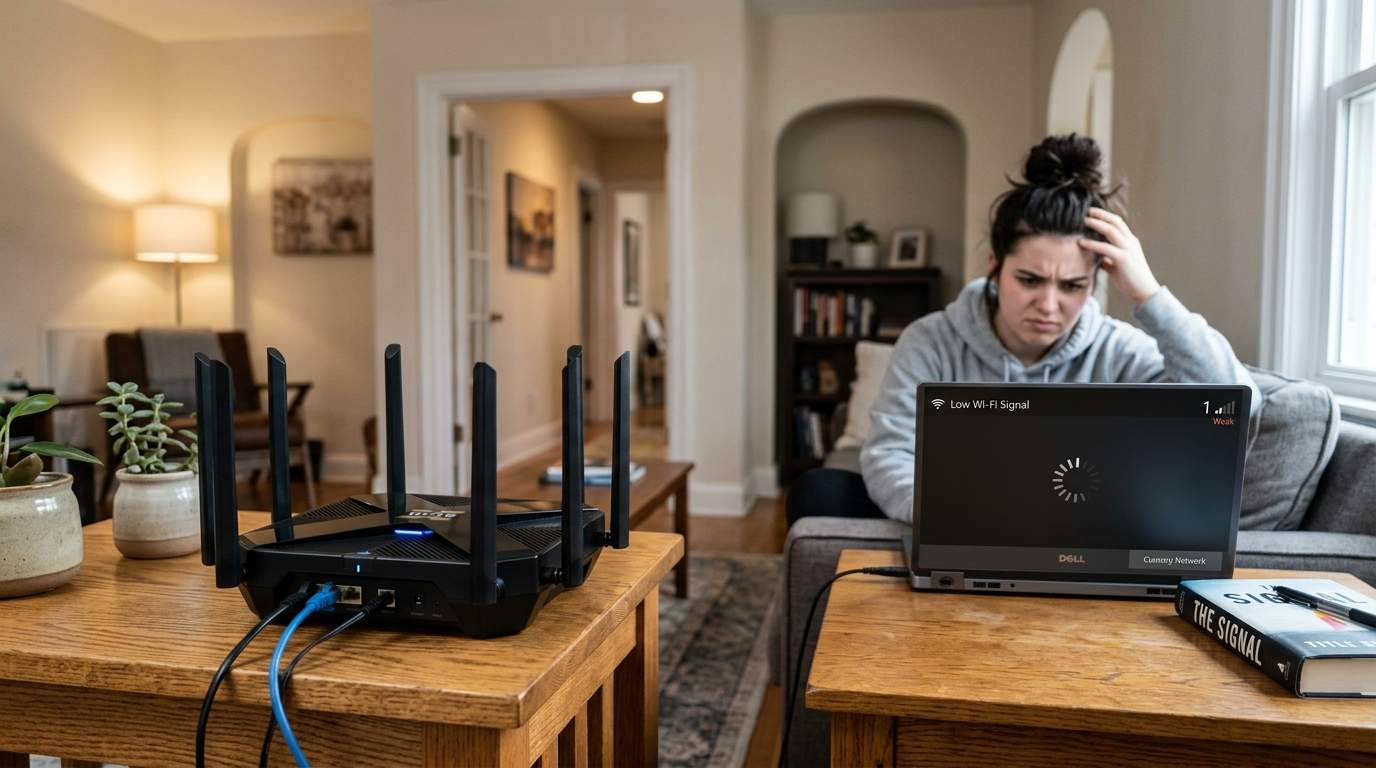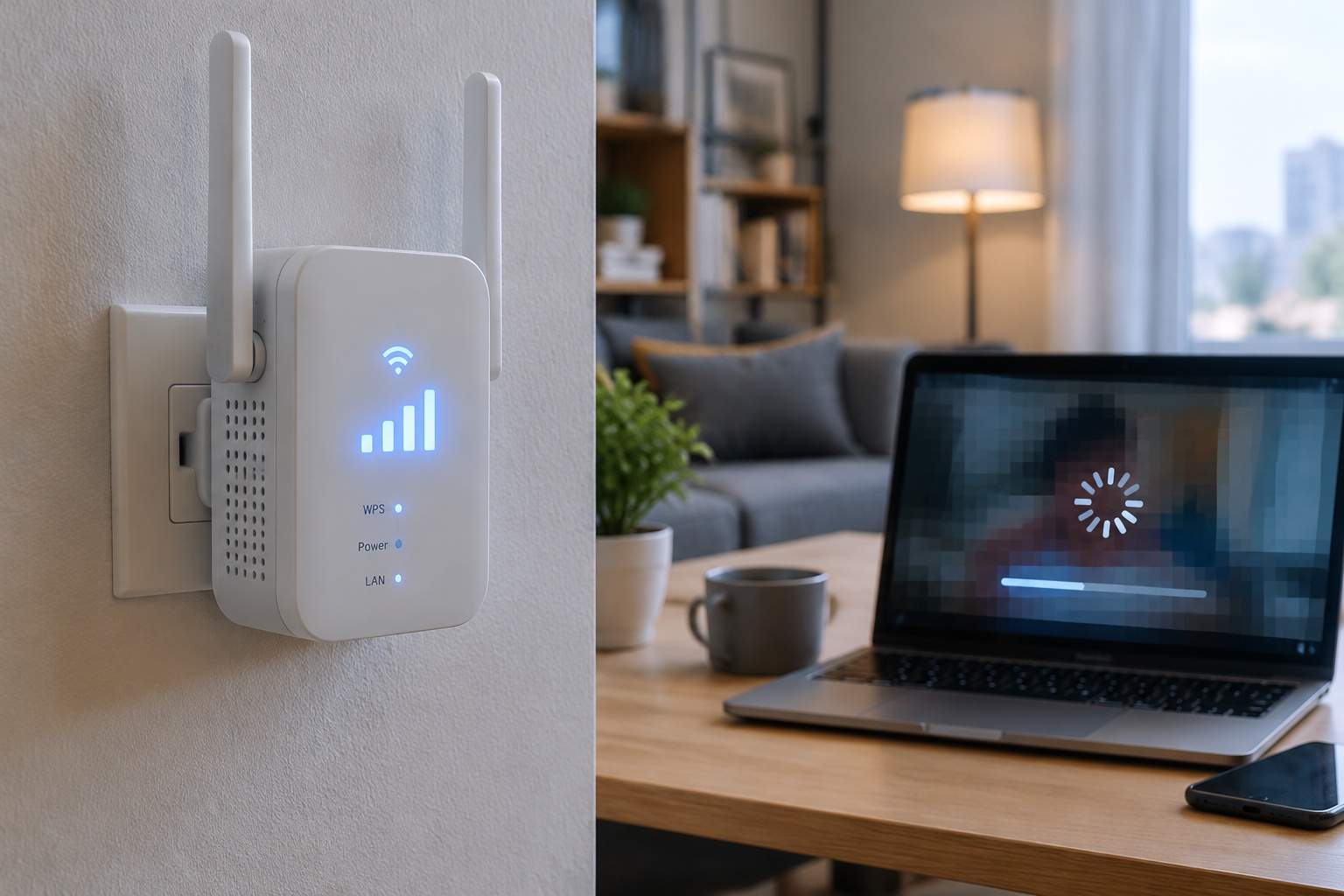

So, you just shelled out for gigabit fiber and that shiny new Wi-Fi 7 router, convinced your internet woes are finally history. You pictured seamless 4K streams in every corner and video calls without a hiccup. Yet, here you are, buffering in the living room, dropping Zoom calls from the bedroom, and cursing a slow webpage in the kitchen. You’re paying for blazing speed, but only getting dead zones and frustration. Welcome, my friend, to the "Gigabit Illusion."
The market today is saturated with promises of unprecedented speed. Every new Wi-Fi standard, every faster internet plan, comes with dazzling numbers. But as a seasoned hardware engineer, I’ve seen this movie before. The core issue for most multi-room homes isn't a lack of raw bandwidth from your internet provider; it's a fundamental failure in getting that speed reliably to where you actually live and work. Think of it less like a hose delivering water, and more like a sprinkler trying to water an entire lawn from a single, central spot.
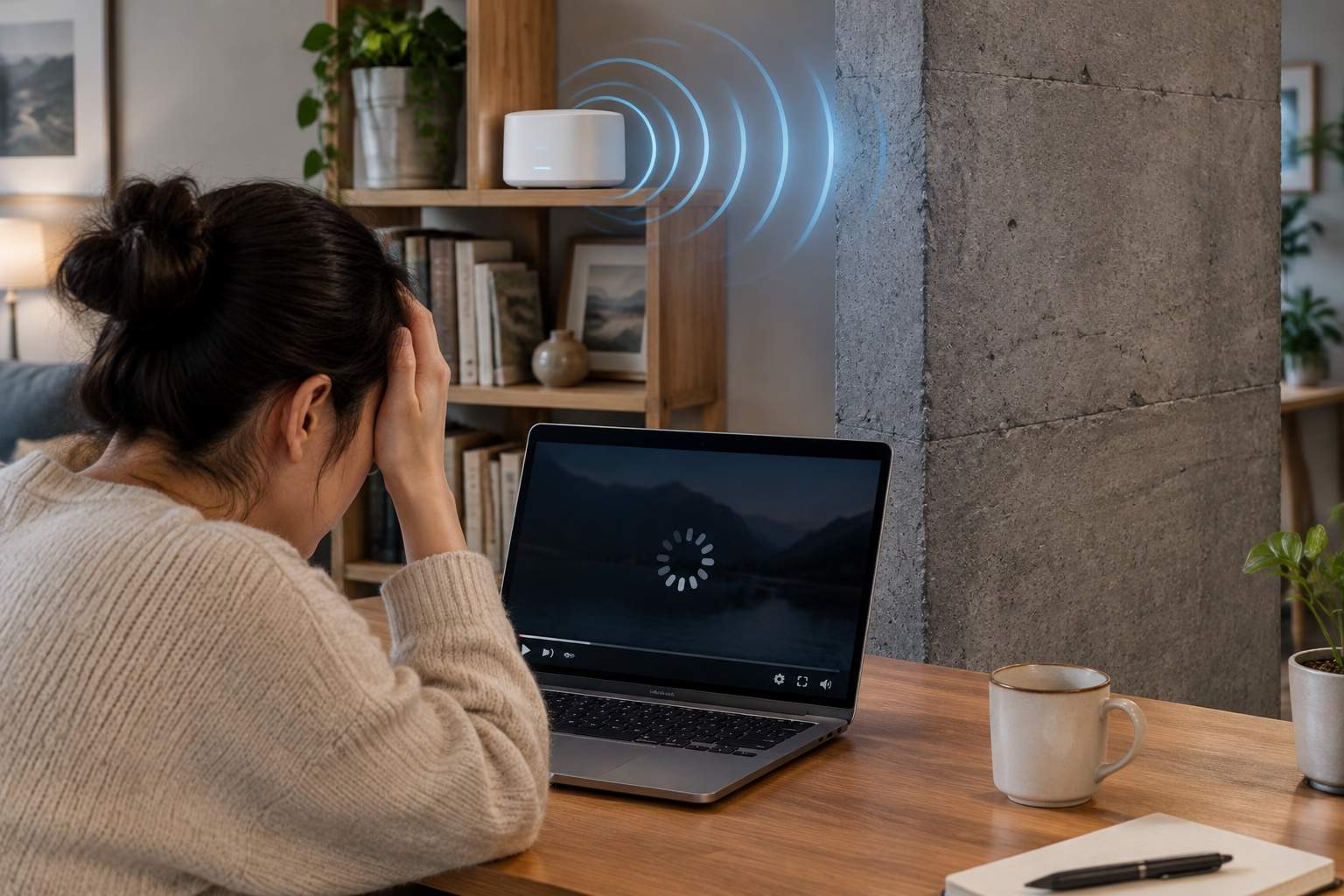
Let's talk about the cold, hard physics – not some marketing brochure. Wi-Fi signals, particularly the faster ones used by Wi-Fi 6E and Wi-Fi 7 (in the 6 GHz band), are like shy teenagers at a party. They don't like walls. They don't like dense furniture. And they really don't like distance. Your fancy Wi-Fi 7 router might be a Formula 1 car, but it's trying to drive through a labyrinth of concrete and drywall.
Consider this common scenario: You have a 1 Gigabit per second (Gbps) internet connection. Standing right next to your new Wi-Fi 7 router, your laptop might clock speeds upwards of 800-900 Mbps – impressive! But move one wall away, and that often drops to 300-400 Mbps. Go two walls or one floor away, and you might be lucky to see 100 Mbps. Suddenly, your "gigabit" experience for 4K streaming (which needs a consistent 25-50 Mbps) or a high-quality video call (around 5-10 Mbps) is on life support, even if the theoretical peak speed is much higher.

So, who is a single, high-end Wi-Fi 7 router for? Primarily, it's a fantastic choice for open-plan apartments, smaller homes with minimal internal walls, or studio offices where everyone is within direct line-of-sight of the device. Here, its incredible peak speeds and low latency can shine, making quick file transfers and VR gaming a dream. It offers simplicity, with a single box to manage.
However, for most multi-story houses, homes with dense walls (common in older constructions), or even sprawling single-story layouts, a single router – no matter how powerful – is a colossal waste of money. You're paying for a supercar, but only driving it in rush hour traffic. The benefit of those peak speeds diminishes rapidly with every obstacle and foot of distance, leaving half your home in a digital drought.
Imagine you're trying to follow a complex recipe video in your kitchen, but the router is in the living room, two walls and a fridge away. That video buffers, the sound distorts, and your culinary ambitions quickly turn into frustration. Or perhaps you're on an important video conference in your home office upstairs, but the signal has to punch through a floor and several walls, leading to pixelated video and dropped audio. In these scenarios, the problem isn't your internet speed; it's network distribution.
The real "efficiency mentor" secret to a truly fast home network isn't about chasing the highest numbers on a single box. It's about smart distribution. Instead of pouring all your money into one over-spec'd router, consider a well-designed mesh Wi-Fi system or strategically placed wireless access points (APs) connected via Ethernet. These solutions create multiple strong "broadcast towers" throughout your home, ensuring consistent, high-quality signal strength and throughput in every room, not just next to the router. You get stable 200-300 Mbps connections consistently across your house, which is more than enough for multiple 4K streams and video calls, making your daily life genuinely smoother.
Therefore, when making your next network upgrade, pause before chasing the latest, most expensive single router. Ask yourself: "How many walls are between my router and where I actually use my devices?" Prioritize consistent coverage and stable performance throughout your entire living space over a theoretical peak speed you'll rarely experience beyond a few feet. Invest in a network that truly serves the essence of your connected life, not just the marketing hype.