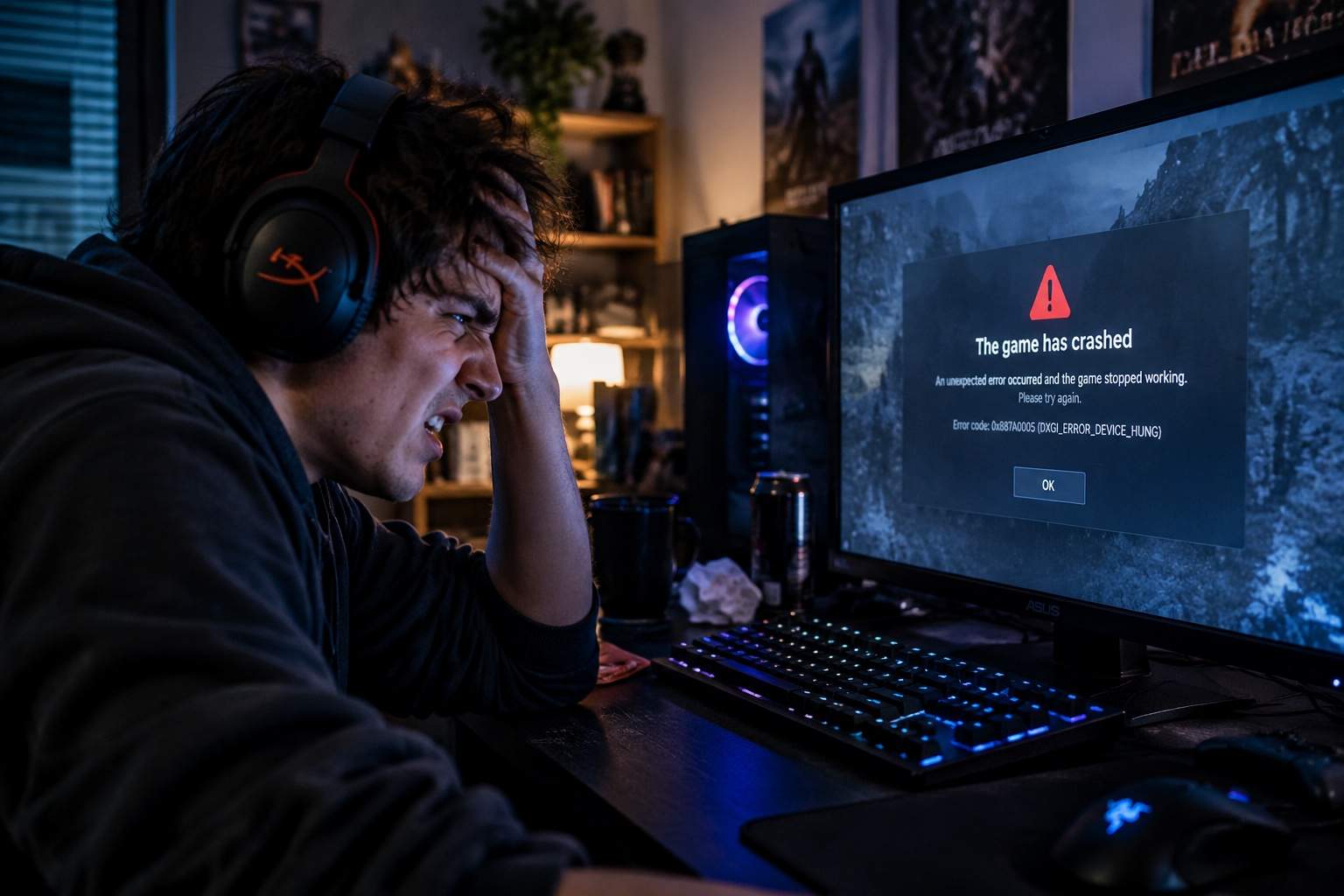

You've been waiting years for a sequel to your favorite city-building game. The original ate thousands of hours of your life, and you happily gave them. When Cities: Skylines II is announced, you're there on day one, credit card in hand, ready to build your digital utopia. Then you launch it. The frame rate chugs like a 90-year-old tractor. Your meticulously planned downtown core renders at the speed of continental drift. Cars phase through roundabouts. The simulation, the beating heart of any city builder, stutters and glitches in ways that make your meticulously planned traffic patterns look like a demolition derby. You wait. You hope for patches, for fixes, for the game to become what it promised. And then, instead of a fix, the developer announces a beach holiday DLC. Paid, of course. The message is clear: we know your city is built on a foundation of digital sand, but wouldn't you like to pay extra for some deck chairs while you watch it crumble? This is the moment Cities: Skylines II stopped being a game and became a case study in how to alienate your most loyal players.
The core issue here isn't just the buggy launch, though that's certainly a factor. It's the brazen, almost performative tone-deafness of the DLC strategy. Paradox Interactive has built an empire on a specific model: release a solid base game, then support it with a decade's worth of increasingly niche expansions. It worked for Crusader Kings, for Stellaris, and yes, for the original Cities: Skylines. That game launched in a playable state and grew into a monolith of urban planning simulation through careful, community-driven updates. The sequel launched in a state that can generously be described as "aspirational." And instead of dedicating every resource to fixing the foundation, Paradox's response was, "Here's some beach stuff. That'll be $15." It's the equivalent of a contractor building a house with a leaking roof and crumbling walls, then offering to install a hot tub in the backyard for an extra fee before fixing the plumbing.
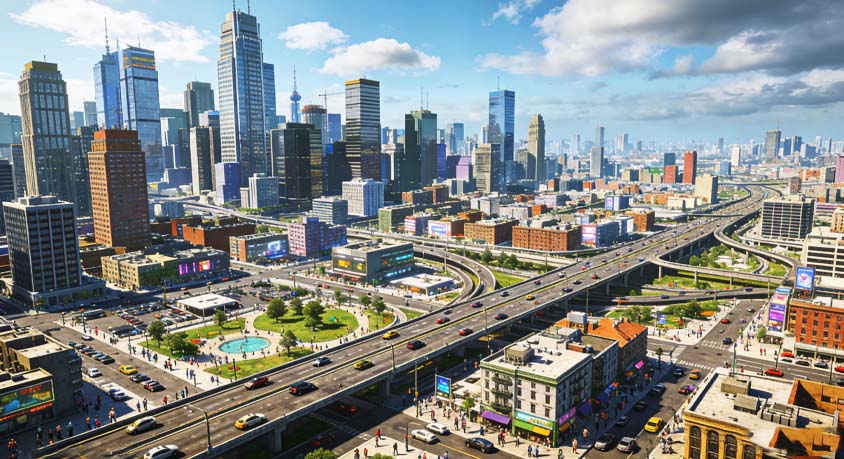
This approach reveals a deeper, more corrosive problem: the commodification of player patience. The DLC strategy in the face of a broken base game isn't just greedy; it's insulting. It signals that the company views its player base not as a community to be nurtured, but as a revenue stream to be tapped, regardless of the product's quality. The message is that fixing the game is less profitable than selling new content to the people who are still, bafflingly, willing to buy it. It treats player loyalty as an infinite resource, a well that will never run dry, no matter how much poison you dump into it.
And yet, here's the tragic part: the core of Cities: Skylines II is still there, buried under the performance issues and the cynical monetization. The simulation depth is genuinely improved. The zoning is more nuanced. The potential for truly massive, living metropolises is tantalizing. You can see the masterpiece struggling to escape from under the weight of corporate mismanagement. This is what makes the beach DLC so infuriating. It's not just a bad decision; it's a distraction from the game that could have been. Every developer hour spent modeling beach umbrellas and swimsuit-clad cims is an hour not spent optimizing the code, fixing the traffic AI, or ensuring that your industrial zone doesn't spontaneously combust because of a pathfinding glitch.
So, where does this leave the player? In a state of frustrated limbo. You want to love this game. You see its potential shimmering through the cracks. But every time you boot it up and watch your city struggle to render, every time you see an announcement for paid DLC before the core issues are addressed, that love curdles a little more. Paradox is gambling that their players' addiction to city-building will outweigh their resentment at being treated like ATMs. And for now, they might be right. But trust, once broken, is the hardest resource to rebuild. The beach holiday DLC isn't just a cash grab; it's a declaration of priorities. And right now, those priorities don't include the people who actually play the game.