
You're scrolling through social media, bombarded by shiny ads for the "revolutionary new iPhone 16" or "blazing-fast Galaxy S25." Suddenly, your perfectly functional two-year-old device feels sluggish, like it's dragging its feet. You start wondering if it's time to drop another grand... again. This nagging feeling, this constant push to "upgrade," is a widespread phenomenon, often leading to recurring expenditure, buyer's remorse, and a suspicion of planned obsolescence. But here's a radical thought: your three-year-old phone might just be peak performance for you.
Let's cut through the marketing noise. Modern smartphone technology, even a few generations back, is incredibly robust. The widespread belief that you need to upgrade every 1-2 years for optimal performance is often a well-orchestrated marketing symphony designed to keep cash registers ringing. In reality, most current mid-range and even older flagship devices retain excellent performance and features for three to five years, or even more.
Think about the "horsepower" under the hood, the processor performance. A three-year-old flagship phone's chip, while not the absolute latest, is still a powerhouse. For 99% of what we do daily – browsing the web, checking emails, messaging, watching videos, or even playing popular games – the difference in raw speed between a chip from 2021 and one from 2024 is often imperceptible. It's like upgrading from a sports car that goes 0-60 in 3.5 seconds to one that does it in 3.2. Impressive on paper, but on your daily commute, it’s a difference you’ll likely never feel.
And what about the camera? Every year we hear about "groundbreaking" new sensors. But in practical terms, for that restaurant photo in dim lighting or the kids' soccer game, the gains are often marginal. Your older phone's camera, especially if it was a flagship, already captures stunning detail and color, often thanks to sophisticated software processing. The real leaps forward in camera tech tend to cater to niche professional photography, not everyday point-and-shoot scenarios.

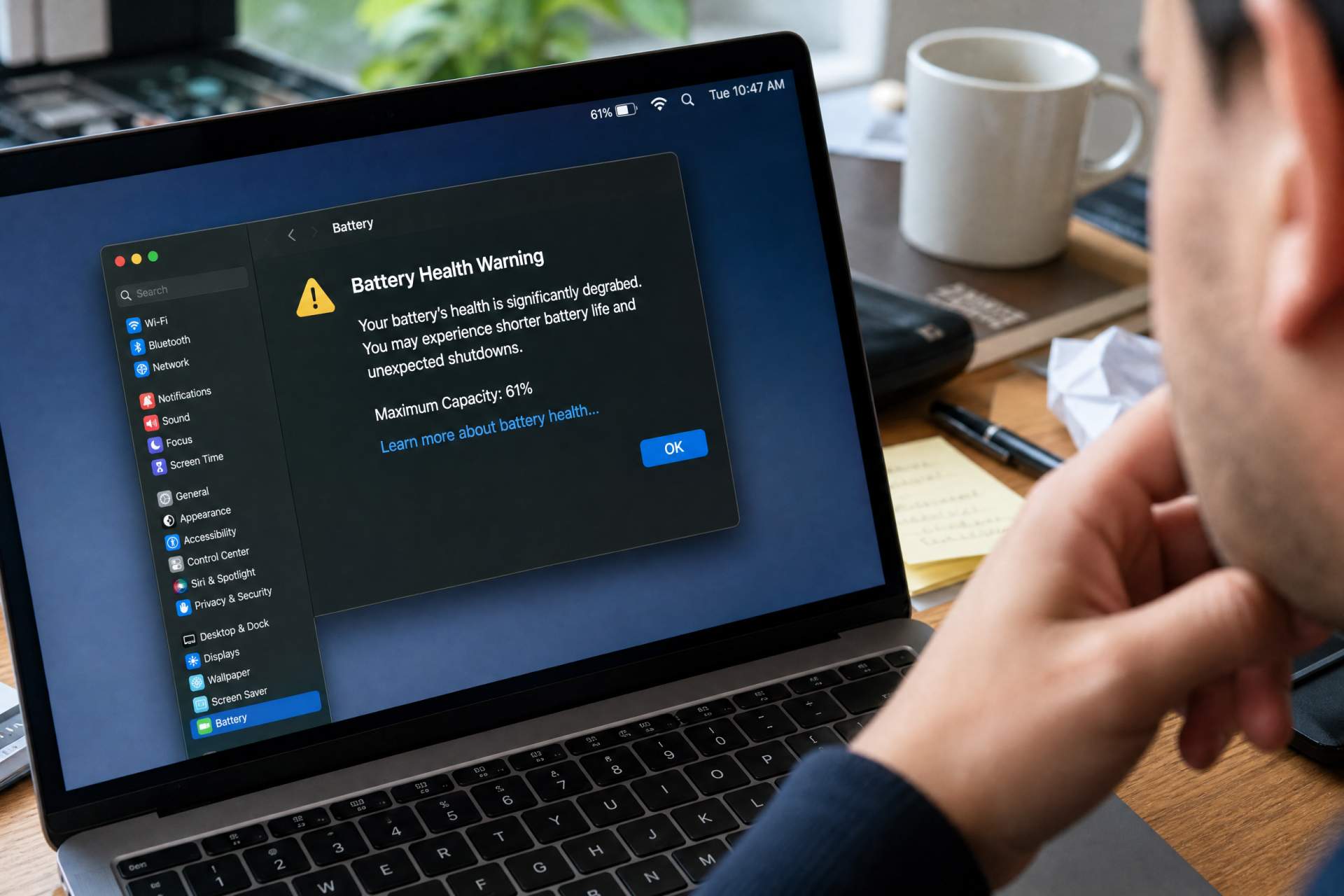
Battery health is often the perceived culprit for an "old" phone feeling slow. After hundreds of charge cycles, a battery naturally degrades, holding less charge and potentially causing performance throttling to prevent unexpected shutdowns. But replacing a battery is often a fraction of the cost of a new phone. A fresh battery can breathe new life into an otherwise perfectly capable device, stretching its usability by another year or two, saving you hundreds.
Consider the design and user experience. Has your phone become clunky or uncomfortable? Probably not. The industrial design, material feel, interface, and weight usually remain consistent across generations, perhaps with minor tweaks. If you loved the ergonomics of your phone on day one, you likely still do. Software updates, even on older devices, often bring new features and security patches, extending their relevance far beyond the initial purchase.
So, when does an upgrade make sense, and when is it just an "upgrade addiction"? Sticking with your current phone saves you significant money, reduces electronic waste, and avoids the hassle of transferring data and learning new quirks. You already know your device inside and out. However, if your phone is truly no longer receiving critical security updates, or if a genuinely revolutionary, life-improving feature emerges that directly addresses a personal need (think genuine accessibility tech, not just a slightly better zoom lens), then an upgrade might be warranted.
For most of us, chasing the newest model is simply overpaying for incremental gains we won't notice. It’s a pursuit of perceived value rather than tangible utility. Before you hit that "buy now" button, ask yourself: Does this new phone truly solve a problem my current one can't, or am I just buying into the hype? Your efficiency mentor advises: let technology serve you, not the other way around.