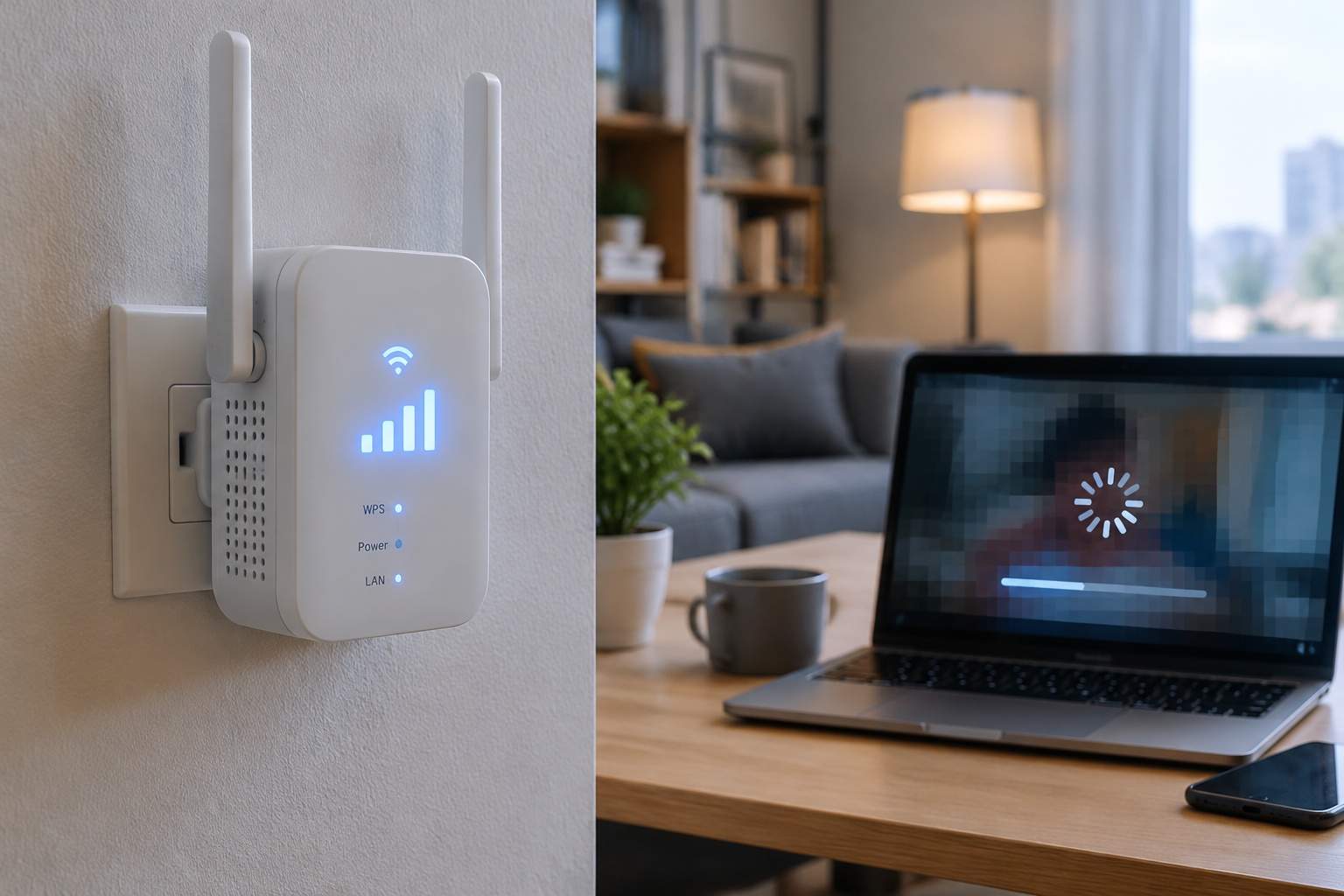

So, you’ve finally done it. You shelled out for that shiny, top-tier gigabit internet plan, dreaming of uninterrupted 4K streams, flawless video calls, and gaming nirvana. Yet, here you are, glaring at a buffering icon, your video call dropping like a bad habit, and your online game lagging worse than a dial-up modem. You've rebooted the router, cursed your ISP, and wondered why you're paying a premium for speed you can't feel.
Let me tell you a secret, one from the trenches of hardware engineering: it’s probably not your internet service provider’s fault. They’re likely delivering that blistering speed right to your doorstep, or rather, to your modem. The real culprit? The often-overlooked and under-appreciated network inside your own home or office. Think of it like this: your ISP built you a superhighway to your driveway, but your driveway is still a narrow, unpaved dirt road.
The common misconception is that "gigabit internet" automatically means "gigabit Wi-Fi everywhere." This couldn't be further from the truth. We've seen countless cases where a customer pays for 1,000 Mbps (megabits per second) internet, but their devices, just a room away from the router, are only pulling 50-100 Mbps. That’s like buying a supercar and only driving it in first gear. Your expensive internet speed upgrade becomes largely irrelevant if your internal network can't keep up.
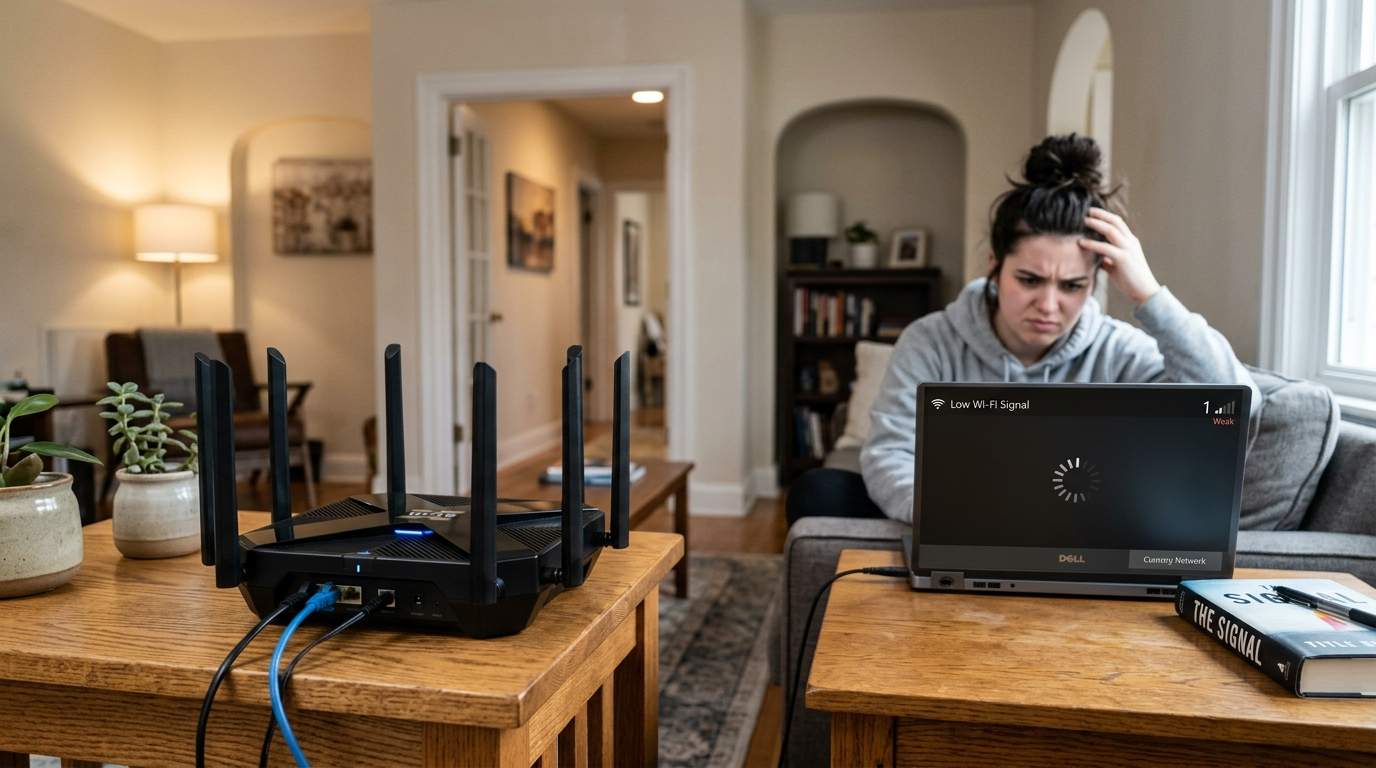
One of the biggest silent assassins of your Wi-Fi speed is simply your router's placement. Most folks tuck their router into a closet, behind a TV, or in a corner, out of sight. But Wi-Fi signals are like sound waves – they don't appreciate concrete walls, large appliances, or metal objects. If your router is hiding, it's struggling to broadcast that precious signal, leading to significant speed drops and dead zones. Picture trying to shout across a crowded room with your hand over your mouth; that's your router in a bad spot.

Another frequent offender is an outdated or underpowered Wi-Fi router. Just because a router lights up and connects doesn't mean it's ready for gigabit speeds or a house full of hungry devices. Older Wi-Fi standards (like Wi-Fi 4 or even older Wi-Fi 5 models from several years ago) simply aren't designed to handle the bandwidth and simultaneous connections required by today's digital households. Imagine trying to run a modern operating system on a computer from 2005 – it might boot, but it won't be a pleasant experience.
Then there’s the invisible battle of interference. Your neighbor’s Wi-Fi, your microwave oven, Bluetooth devices, and even some cordless phones can all be broadcasting on similar frequencies, jamming your Wi-Fi signal. It's like trying to have a clear conversation in a noisy restaurant; sometimes, you just can't hear. When your signal is constantly fighting interference, your devices spend more time trying to retransmit data, leading to higher latency and slower perceived speeds. That's why your online game lags even when the bandwidth looks okay – latency kills responsiveness.
So, what’s an efficiency mentor to do? First, placement. Put your router in a central, open location, ideally high up, away from large metal objects and major appliances. This often provides an immediate, noticeable boost. Second, upgrade your hardware. If your router is more than three to five years old, especially if it’s an ISP-provided basic model, consider a modern Wi-Fi 6 router. These are built to handle more devices, better manage congestion, and deliver faster speeds over larger areas.
For larger homes or persistent dead zones, a Mesh Wi-Fi System can be a game-changer. Instead of one powerful router, a mesh system uses multiple access points that communicate with each other, blanketing your entire space with strong, consistent Wi-Fi. It's like having a network of smaller Wi-Fi broadcasting stations rather than one overworked central hub. And for the ultimate reliability and speed for stationary devices like smart TVs, gaming consoles, or desktop PCs, don't forget the humble Ethernet cable. When you plug in, you bypass all the wireless woes entirely.
The goal isn't to buy the most expensive gadget, but to build a network that truly serves your needs. You're not just paying for gigabit internet; you're paying for a smooth, reliable digital life. By understanding where the bottlenecks truly lie, you can make informed choices, optimize your home network, and finally experience the speed you've been paying for, letting technology genuinely enhance your quality of life and productivity.